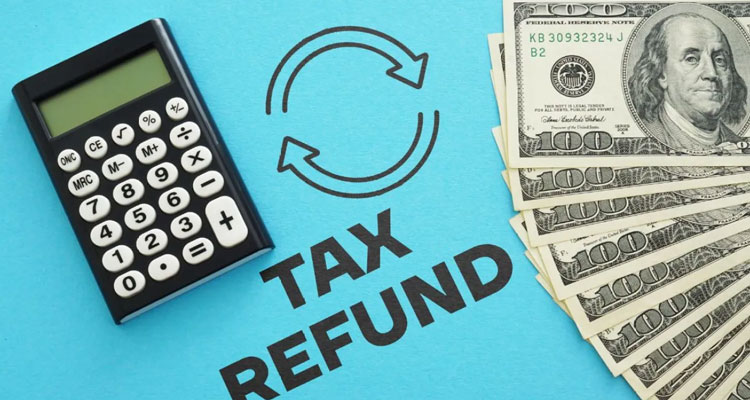
There is a particular kind of surprise that comes with owning a business. You have had a busy year. Customers kept coming in, invoices were going out, and there was money moving through the business account. It feels like things are going well. Then the tax bill arrives. Suddenly, the number in the bank account does not look quite as comfortable. This happens because the amount of money a business brings in is not the same thing as the amount it earns, and neither number tells you exactly how much will be owed in taxes. Revenue, expenses, profit, cash flow, and tax liability all tell different parts of the story. Knowing which is which can save a business owner from a very unpleasant surprise.
Imagine a business brings in $250,000 during the year. That is the revenue. It still has to pay for employees, rent, supplies, insurance, advertising, software, equipment, utilities, and everything else required to keep the doors open. After allowable business expenses are accounted for, the picture looks very different. This is why looking at sales alone can be misleading. A business can have impressive revenue and surprisingly little profit. Another business with lower sales may keep more because its operating costs are much smaller. The number that catches attention is not always the number that matters most.
Depending on the business and the owner's circumstances, estimated tax payments may be required during the year. The idea is not particularly complicated. Rather than waiting until the tax return is filed and dealing with the entire obligation at once, payments are made throughout the year.
A separate business account is not just about looking organised. It makes it much easier to see what the business is actually doing. When personal purchases, business expenses, customer payments, and other transactions are all mixed together, figuring out the real numbers becomes harder. Receipts get misplaced. Transactions have to be sorted later. Tax preparation takes longer. Keeping business finances separate creates a cleaner record. It also gives the owner a better view of how much the business is actually spending.
Filing the return tells you what happened. Planning can help you prepare for what is coming. At It's Tax Time, business owners can get help with business tax services, payroll, tax credits, W 2 and 1099 filing, and IRS Resolution. Having these services handled in one place can make it easier to keep the different pieces of the tax picture connected. The goal is not to make a business owner predict the future perfectly. It is simply to avoid being completely surprised by it. A business making money is good news. Knowing how much of that money is actually profit, how much is tied up in the business, and how much may eventually belong to the tax authorities is what turns that good news into useful information.
Many business owners experience a rude awakening when a busy, high-revenue year results unexpectedly in a massive tax bill. Revenue is not the same as profit, and sales volume does not automatically indicate tax liability. Avoiding cash flow crunches requires understanding the difference between revenue and profit, keeping business and personal accounts separate, planning for estimated tax payments, and utilizing proactive tax planning rather than just reactive tax preparation.
Semantic Keynotes
NER Tags