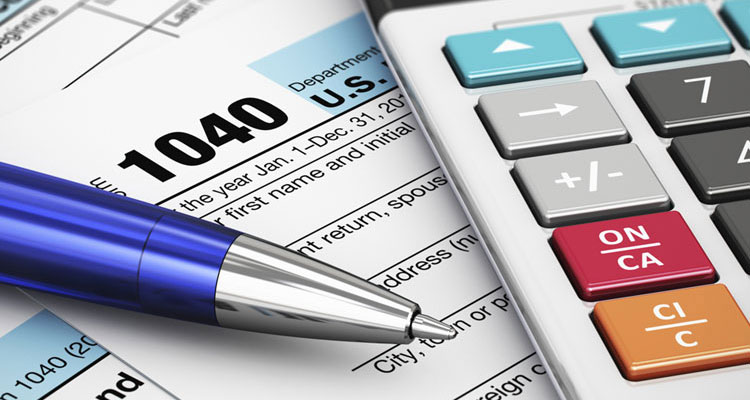
No one really thinks about keeping tax records until an issue comes up. A letter from the IRS, a question about an old return, or a request from a lender can quickly turn into stress if paperwork is missing. Knowing how long to keep tax records and why they matter can save time, money, and unnecessary worry.
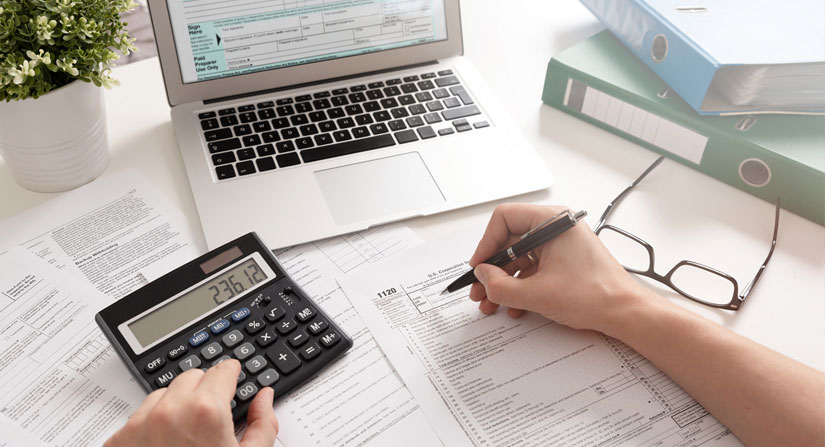
Tax records include more than just a copy of your tax return. They also include W-2 & 1099 Filing, receipts, bank statements, mileage logs, business expense records, and proof of deductions or credits claimed. These documents back up the numbers on your return and protect you if ever any questions arise.
In most situations, the IRS recommends keeping tax records for at least three years from the date the return was filed. This is because the IRS generally has three years to audit a return and assess additional tax.
For many individuals, keeping records for six to seven years is the safest approach. You are protected in case of amended returns, audits or future questions about income or deductions.
Supporting documents are just as important as the tax return itself. These include receipts, invoices, charitable contribution letters, medical expense records, and proof of business expenses. If a deduction or credit was claimed, documentation should be kept for the same length of time as the return it supports.
For homeowners, records related to buying, improving, and selling property should be kept until at least three years after the property is sold. These documents help calculate capital gains and can significantly reduce taxes owed when selling a home.
Business owners should also be mindful about payroll records, expense reports and accounting documents for four years at least or as stated in the employment tax rules.
When it comes to keeping track of records, it is not just about audits. These documents also help you in everyday financial situations. Lenders may request past tax returns for loan approvals. Sometimes colleges require income verification for financial aid. Also, insurance claims, divorce proceedings and estate planning may also require older tax information.
A good habit of record keeping helps tax professionals identify missed deductions, past mistakes and do better planning for future tax years. Without records, it becomes very difficult to ascertain accurate responses and defend current deductions.
So, keeping tax records can feel like a chore but once you realize its importance, you are willing to do it. With organized records, your tax filling becomes easier, stress is reduced and there is peace of mind if any questions ever arise. At It’s Tax Time, we will help you through the process and make things organized for you so that you do not have to worry about anything. Contact us now.